

Why Wearable Duress Alarms Demand Both Performance and Comfort
The need for duress alarms (often referred to as panic buttons) is an unfortunate reality that continues to drive the evolution of wearable security and safety solutions with significant results. They're proven to reduce emergency response times to potentially threatening situations — be it aggressive behavior, criminal activity or emergency events such as a fire or accident — minimizing physical harm to individuals, and in some cases, saving lives during events where every second counts. The basic premise supporting all forms of duress alarms is relatively simple – depress a button and help is on the way. However, there are important factors to consider that make this a practical and effective solution.Better Technology Ensures Better Results
Panic buttons have been in use for a long time. One of the earliest applications being the use in banks to alert the police of a robbery in progress. These early hard-wired devices used to trigger silent intrusion alarms were in fixed locations at bank teller stations. The ability to trigger an alarm was predicated by one's physical proximity to the fixed location of an alarm button, which presents an obvious shortcoming for mainstream applications. The development of wireless, wearable panic buttons greatly expanded the use for these devices across a wide range of organizations – from schools and hospitals to hotels, corporate and industrial facilities – transforming every employee on-site into a mobile sentry with the ability to instantaneously report incidents and/or potentially harmful events. To be effective in such a wide range of applications and facility types requires a great deal of rather advanced technologies to be built into these wireless panic devices. For example, modern technologies and performance features to look for in today's most advanced wearable duress solutions include:- The ability to activate multiple types of alarm conditions, allowing first responders to quickly react with the most appropriate response.
- Response affirmation indicators such as LEDs and/or device vibration to ensure that an alarm has been triggered – or to alert the wearer that they may have inadvertently triggered a false alarm.
- Proven wireless transmission technology such as Inovonics EchoStream® that utilizes multi-channel signaling over different frequencies and long distances without interference.
- Location services to help first responders pinpoint where the event is taking place.
- Waterproof casings allow these devices to be worn in a variety of environments where they may be exposed to water or moisture, which would otherwise incapacitate such electronic devices.
- Long battery life to ensure continuous operation at times when it's needed most.

User Comfort = User Use
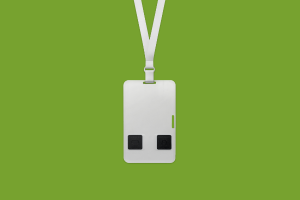
Simply stated, wearable duress solutions are only effective when users wear them. The less intrusive the device is, the greater the probability users will wear it for prolonged periods of time. The Inovonics new Duress Card addresses this challenge with a sleek and lightweight design that is both comfortable and unobtrusive. Beyond aesthetic appeal, this is important for several reasons. Personnel need to always wear their duress alarm when on premises. Leaving a duress alarm on one's desk or workstation increases the likelihood that it will be out of immediate reach the moment an event occurs. This is especially relevant when personnel are confronted by aggressive individuals, or need to report an emergency situation that demands immediate response. Unobtrusive devices also reduce stress and anxiety for both the user wearing the device and for those around them. Perhaps the best example exists in K-12 school environments. Staff can take comfort knowing that help is at the push of a button wherever they are within the school or in outdoor play areas and sport fields. And in worst case scenarios during evacuations, panic buttons with location services can be used to help first responders with mustering, so they can easily and quickly account for individuals or groups whereabouts during emergencies.Balancing Form vs. Function
Wearable panic devices demand both great function from a performance standpoint as well as great form from a design perspective. The former ensures that the device performs on demand when needed, and the latter that the device is comfortably wearable, ensuring it is on-person ready for activation at the touch of a button. Fortunately, there's a new solution that combines proven duress alarm performance with new levels of user comfort.→ Click here to discover the new Inovonics Duress Card
Inovonics Wireless Corporation. All rights reserved.